With the ongoing U.S. sanctions, Huawei has to rely on Chinese manufacturers for production.
Video script:
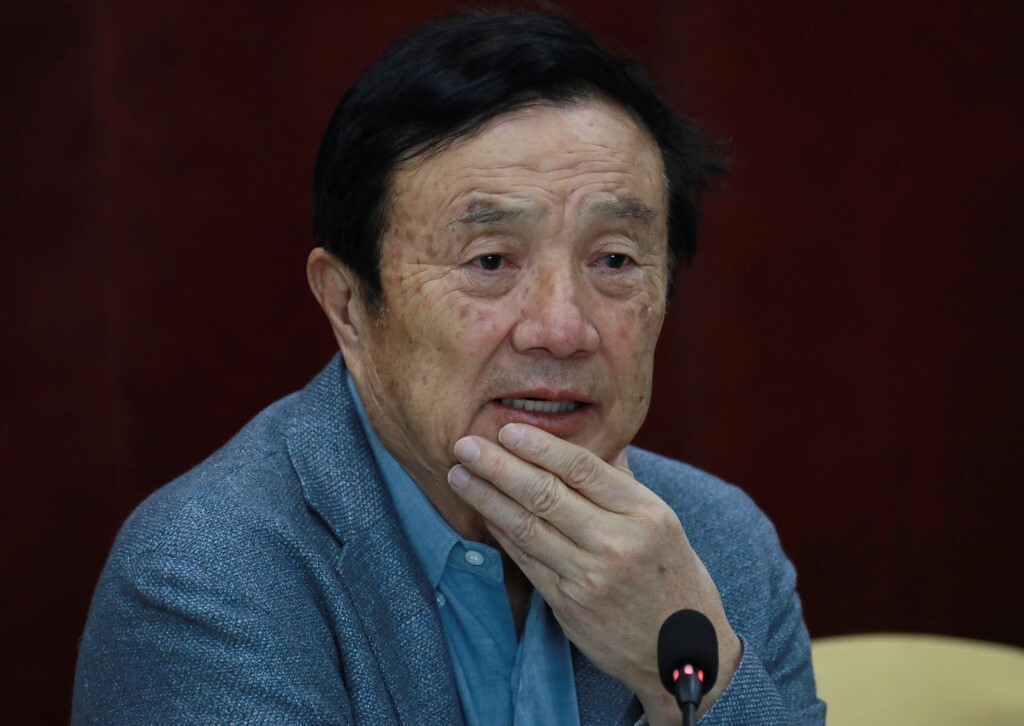
Chinese state media, People’s Daily, published an exclusive interview Tuesday with Huawei founder Ren Zhengfei (任正非), who admitted Huawei's chips currently "lag behind the United States by one generation." Experts say the gap stems from U.S sanctions that cut Huawei off from Taiwan’s TSMC. Huawei was formerly its second-largest client, but now relies on Chinese manufacturers, whose lower yield rates have led to a widening technological gap.
Addressing questions about external blockades and pressure, Ren stated that there is no need to dwell on difficulties and says Huawei will move forward step by step. On the U.S. Commerce Department’s warning about risks of using Huawei's Ascend chips, Ren says the U.S. has exaggerated Huawei's achievements.
Without TSMC's manufacturing support, Huawei struggles to enhance its capabilities. The chip maker, known as Taiwan's "Guardian Mountain," held 67.6% of the global foundry market in the first quarter and posted nearly 40% year-over-year revenue growth in May, its highest ever for the month. However, TSMC's U.S. operations still face hurdles, with reports suggesting that high costs at its Arizona plant are deterring customers, who prefer Taiwan-based production instead.
TSMC's advanced packaging processes still take place in Taiwan, as its U.S. facility remains in the site evaluation phase. The US-Taiwan Business Council’s Chairperson Dan Silver says Taiwan should stay proactive in boosting economic cooperation with the U.S., including securing tariff reductions and resolving the longstanding impasse over U.S.-Taiwan double taxation. While TSMC expands globally, replicating its success in the U.S. will take time.