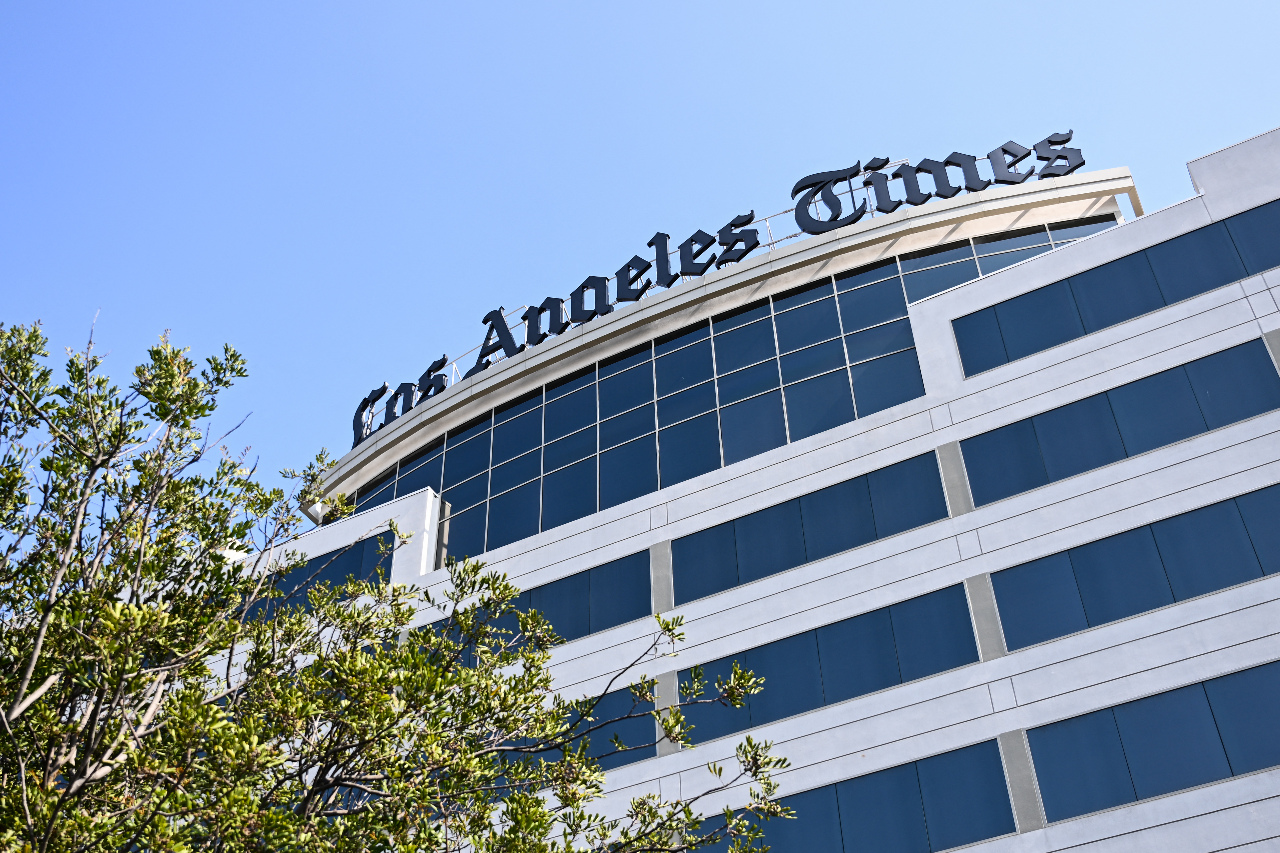
The Los Angeles Times reported on Wednesday that Chinese censorship authorities are intensifying pressure on filmmakers, particularly those seeking to bypass government restrictions by showcasing their works overseas. As controls tighten on sensitive topics—such as the COVID-19 pandemic—filmmakers who fail to comply with official censorship regulations risk both their careers and personal rights.
Professor of Film and Chinese Studies at Newcastle University Sabrina Quiong Yu (余瓊) noted that no one can predict whether a film will pass censorship. However, she said that as restrictions become increasingly stringent, many filmmakers look to Taiwan as the best place to showcase their work.
According to the Los Angeles Times, 276 Chinese films were submitted for consideration at Taiwan’s Golden Horse Awards last year, the highest number since 2018. The article also highlighted Taiwan’s policy limiting the number of Chinese films screened in local theaters to a maximum of ten per year, with exceptions granted to films that win specific awards at international festivals or the Golden Horse Awards.
The Chinese film Bel Ami, which explores LGBTQ themes, has faced strict censorship under China’s authoritarian rule, preventing its theatrical release in both mainland China and Hong Kong. Producer Wang Zijian (王子剑) told the Los Angeles Times that China’s tightening censorship has crippled its film industry, forcing filmmakers to produce only content the government approves. For his latest project, Taiwan remains the only viable market.