Seawater and seafood tested in Taiwan do not appear to show any radioactive abnormalities from the release of tritium-containing water from Japan’s Fukushima nuclear power plant. That’s according to a report released by Taiwan’s Atomic Energy Council (AEC) on Thursday.
The report describes the cross-ministerial effort to monitor seawater and seafood products which includes the ministries of health and agriculture, and the Ocean Affairs Council.
Japan began releasing water from the Fukushima nuclear plant on August 24.
The report states that the number of seawater testing sites has increased from 33 in 2020 to 107 this year, and the number of seafood products tested has increased from 200 to 3,000. No abnormalities have been found so far.
AEC Deputy Minister Liu Wen-Chung (劉文忠) says that experts will be sent to Fukushima to gather water near the release site for testing later this year.
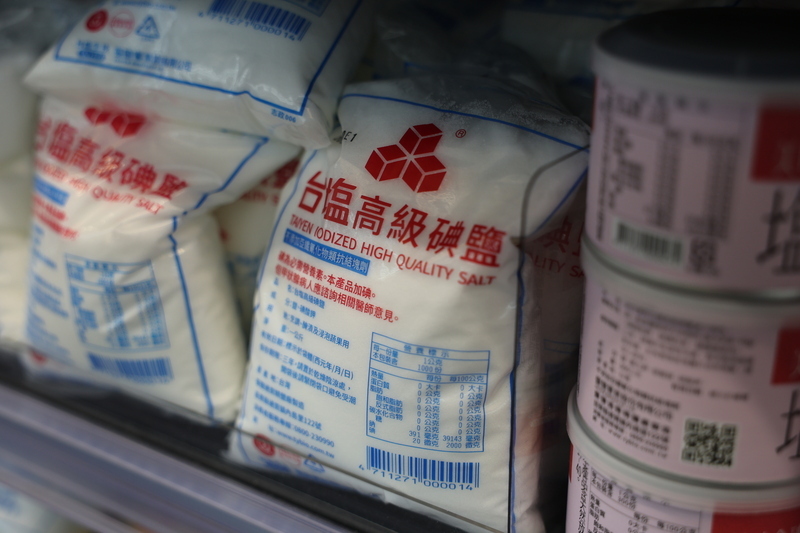
The AEC also addressed the issue of panic buying of iodized salt in Taiwan. The AEC says the belief that ingesting iodized salt can protect people from radiation is mistaken and it has no such effect. They emphasize that Taiwan’s salt production is more than adequate to supply the whole country and there is no need to rush to buy it.