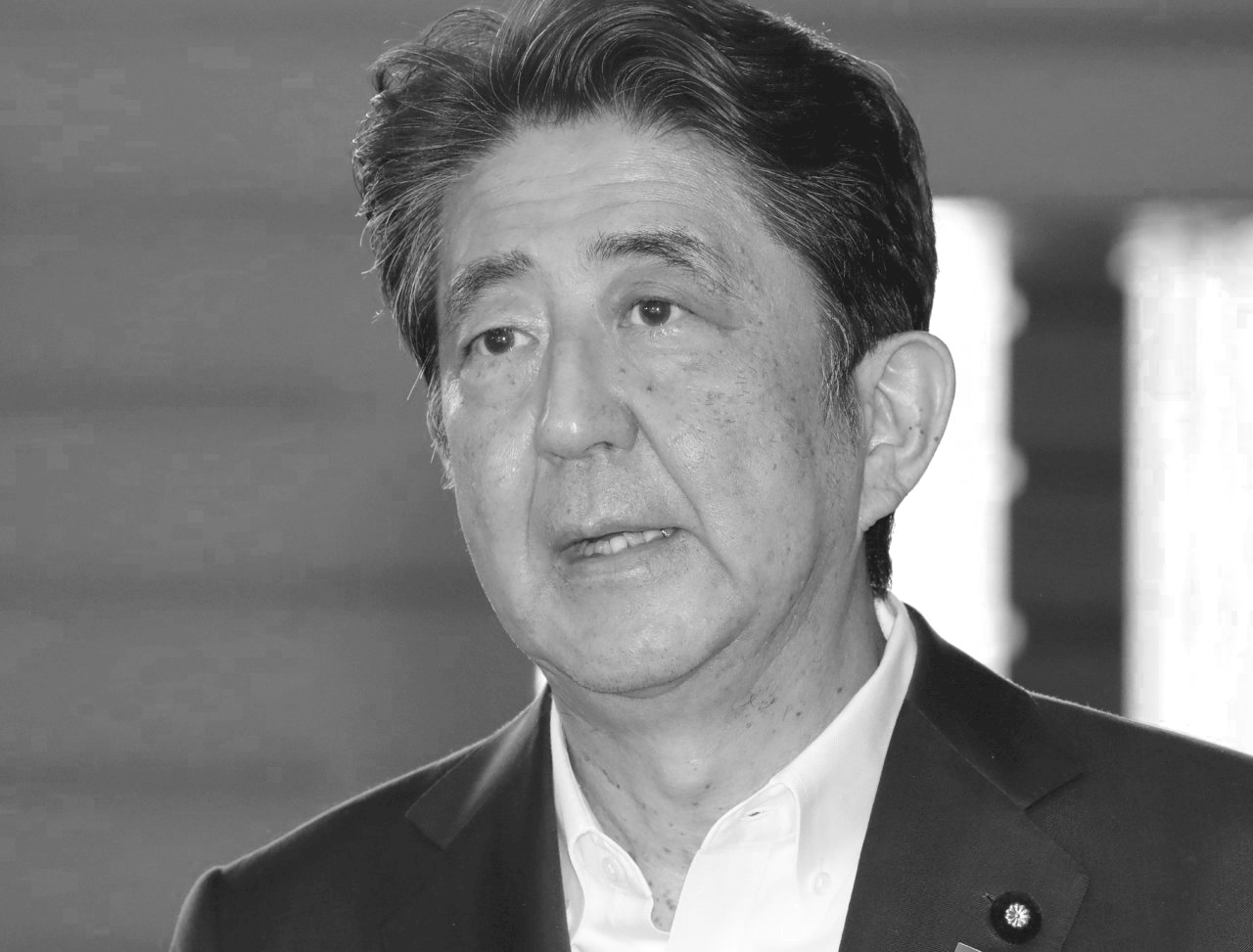
This week we’re going to take a look at the life of Shinzo Abe, the former Japanese prime minister. Abe’s name could be seen all over the news in Taiwan and the world this week after he was assassinated last Friday while campaigning in Nara, Japan.
Shinzo Abe was born in 1954 to a prominent political family in Tokyo. Abe was elected to Japan’s parliament in 1993, eventually becoming head of the Liberal Democratic Party and prime minister in 2006. In 2007 he was ousted, though he would return to power in 2012 before stepping down in 2020. He would be Japan’s longest serving prime minister in the post war era.
Abe was most known in Taiwan for being a staunch ally and defender of the country. During his premierships, Abe constantly highlighted the importance of maintaining stability in the Taiwan Strait.
But Abe became an especially outspoken supporter of Taiwan after he resigned from the premiership in 2020. In an April oped in the Los Angeles Times, Abe said it was time for the United States to end its policy of strategic ambiguity towards Taiwan. That refers to the United States’ refusal to affirm if it will defend Taiwan in the event of a Chinese invasion. In December he was quoted as saying "a Taiwan contingency is a contingency for Japan." A picture of him holding Taiwanese pineapples went viral after China banned their import last year.
Taiwan’s President Tsai Ing-wen ordered all flags in the country flown at half-staff on Monday in honor of Abe. Japan’s representative office in Taipei opened a memorial to Abe which has received throngs of visitors. Taiwan’s Vice President William Lai also attended Abe’s funeral on Monday. He is the highest ranking Taiwanese official to visit Japan in 50 years. All of this shows how important Abe was to Taiwan.